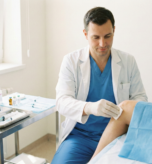
What Is PRP Therapy?
PRP (Platelet-Rich Plasma) therapy is a regenerative treatment that uses your own blood to promote healing in damaged joints. Platelets contain growth factors that help repair tissues and reduce inflammation naturally.
How PRP Therapy Works
A small amount of blood is drawn
It is processed in a centrifuge
Concentrated platelets are injected into the affected joint
The procedure is minimally invasive and typically performed in an outpatient setting.
Conditions Treated with PRP Therapy
- Knee osteoarthritis
- Shoulder pain
- Tennis elbow
- Ligament injuries
- Chronic back pain
Benefits of PRP Treatment
- Non-surgical
- No hospital stay
- Faster recovery
- Minimal side effects
- Supports natural healing
PRP Therapy vs Surgery
PRP is often suitable for early to moderate joint degeneration, while advanced joint damage may require surgical evaluation.
PRP is not recommended in severe end-stage arthritis.
Who Is a Good Candidate for PRP?
- Early-stage arthritis patients
- Sports injury cases
- Individuals wanting to delay surgery
Consultation with a pain specialist determines suitability.